Everything You Need to Know About Bed Bugs: Understanding Heat Treatment for Effective Removal
Bed bugs are well known for their capacity to infiltrate homes and disturb daily life. Recognizing their habits and the indicators of an infestation is essential for homeowners. Of the many elimination methods available, heat treatment emerges as an effective, chemical-free option. It effectively targets all life stages of these pests. Proper preparation is crucial to its effectiveness, yet many homeowners neglect important steps prior to treatment. Investigating these elements can provide greater insight into how to tackle this stubborn concern.
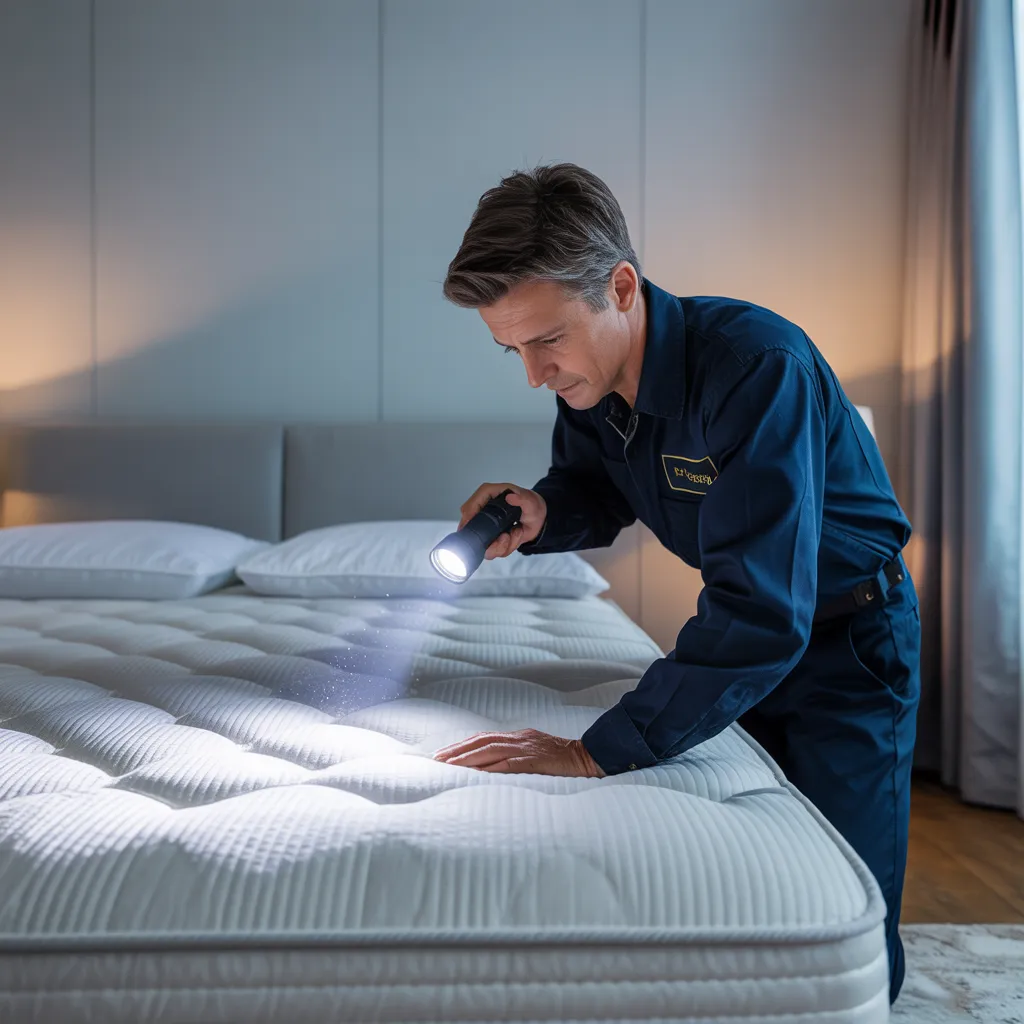
What Are Bed Bugs and How Do They Enter Your Home?
Bed bug infestations, small parasitic insects classified under the Cimex family, have become notorious for their ability to infiltrate residences and disturb daily life. These creatures are skilled at traveling on luggage, clothing, and furnishings, establishing them as frequent hitchhikers across city settings. Upon entering a home, these pests commonly seek shelter in small gaps and tight spaces, especially near mattresses and fabric-covered furniture, where they can remain hidden during the day.
Their breeding capacity significantly amplifies their infestation potential; female bed bugs are capable of producing hundreds of eggs throughout their lifespan, leading to rapid population growth. Bed bugs prosper in heated, shadowy surroundings, allowing them to stay close to their primary food source—human blood. Their secretive nature and durability make early identification difficult, often resulting in widespread infestations before homeowners realize the problem. Understanding their habits is essential for effective prevention and treatment strategies.
How to Identify a Bed Bug Infestation: Key Signs to Notice
Detecting a bed bug infestation in its early stages is essential for successful management. Occupants should remain alert to certain signs that point to their existence. Frequent indicators consist of dark, reddish-brown stains on bedding or furniture, which are excrement left by the insects. In addition, molted exoskeletons, commonly located near their concealment spots, suggest that bed bugs are developing.
Skin bites, usually grouped in clusters or rows, can appear as bed bugs feed during the night. These bites can cause irritation or itching, prompting further investigation. An unpleasant musty smell connected information may also arise from infested areas, resulting from the secretions of bed bugs.
copyrightining seams of mattresses, behind headboards, and within furniture cracks is critical, as these are favored hiding spots. Early detection guarantees prompt treatment, stopping a severe infestation from developing that might cause significant remediation work.
Understanding How Heat Treatment Eliminates Bed Bugs
Effective management of a bed bug infestation requires understanding the methods available for elimination. Heat treatment is a widely recognized approach, utilizing high temperatures to eradicate these pests. The process involves raising the temperature of affected spaces to between 120°F and 140°F, thoroughly reaching walls, furniture, and other sheltered locations where bed bugs reside.
Bed bugs are highly susceptible to heat; temperatures exceeding 113°F sustained for only 90 minutes are lethal at every life stage. This method also targets eggs, which are notoriously resilient. In the course of heat treatment, advanced equipment is employed to ensure consistent heat distribution, avoiding cold spots that bed bugs might use as refuge.
Furthermore, heat treatment is free of chemicals, making it an eco-friendly option for pest control. By interfering with the bed bugs' life-sustaining processes, heat treatment not only removes active infestations but also plays a role in preventing future infestations.
Why Heat Treatment Is the Best Solution for Bed Bugs
Heat treatment emerges as the most effective solution for eliminating bed bugs because of its capacity to eradicate pests across all life stages, eggs included. As opposed to chemical methods, which may spare some bugs, heat permeates furniture, cracks, and crevices, guaranteeing thorough coverage. This method works by elevating the temperature of the affected area to a deadly threshold, generally ranging from 120°F to 140°F, efficiently eliminating bed bugs upon contact. This technique does away with the need for repeated applications, decreasing the risk of pest resistance forming. Moreover, heat treatment is considered environmentally responsible, since it reduces reliance on toxic pesticides. Its speed is another advantage; nearly all treatments wrap up in just one day, enabling a swift return to normal living. Overall, heat treatment's thoroughness, efficiency, and safety make it a preferred choice for property owners looking for dependable bed bug control.
What to Do Before Bed Bug Heat Treatment
Getting ready for bed bug heat treatment requires thorough preparation to confirm the process is successful. Property owners should begin by clearing out the impacted spaces, clearing away anything that might hinder heat penetration. All clothing, bedding, and personal belongings should be washed in hot water and dried on high heat to remove any remaining bed bugs. It is important to perform a thorough vacuuming, focusing carefully on gaps and tight spaces where bed bugs could be concealed.
In addition, pets need to be taken out during treatment, and plants should be moved outside to avoid harm caused by the high temperatures. Electronic equipment, including TVs and computers, should be relocated or shielded to safeguard them against heat damage. To conclude, homeowners should ascertain that the area designated for treatment is available, allowing technicians to work efficiently. Proper preparation not only enhances the effectiveness of the heat treatment but also minimizes the risk of re-infestation.
Frequently Asked Questions
Can Bed Bugs Endure Extremely Cold Temperatures?
Bed bugs are unable to withstand extremely cold temperatures. Temperatures below 0°F (-18°C) sustained for several days will effectively destroy all life stages, eggs included, guaranteeing the complete elimination of these pests from affected areas.
How Long Does Heat Treatment Usually Take?
Heat treatment usually needs approximately six to eight hours to effectively eliminate bed bugs. The duration may vary depending on the extent of the infestation and the particular techniques used by professionals throughout the treatment.
Do Any Health Risks Exist When It Comes to Heat Treatment?
There are minimal health risks associated with heat treatment for bed bugs. Properly conducted procedures guarantee safety, but individuals with respiratory issues or sensitivities may experience temporary discomfort. Consulting professionals can mitigate potential concerns.
Is My Furniture or Belongings at Risk of Damage from Heat Treatment?
Heat treatment has the potential to damage some furniture and personal belongings, most notably items sensitive to high temperatures. It is advisable to relocate or shield delicate belongings before the treatment begins to reduce the risk of heat damage.
How Regularly Should I copyrightine for Bed Bugs After Treatment?
After treatment, bed bug inspections should take place monthly for a minimum of six months. Routine inspections help identify any potential resurgence promptly, ensuring effective management and preserving a pest-free setting for occupants.